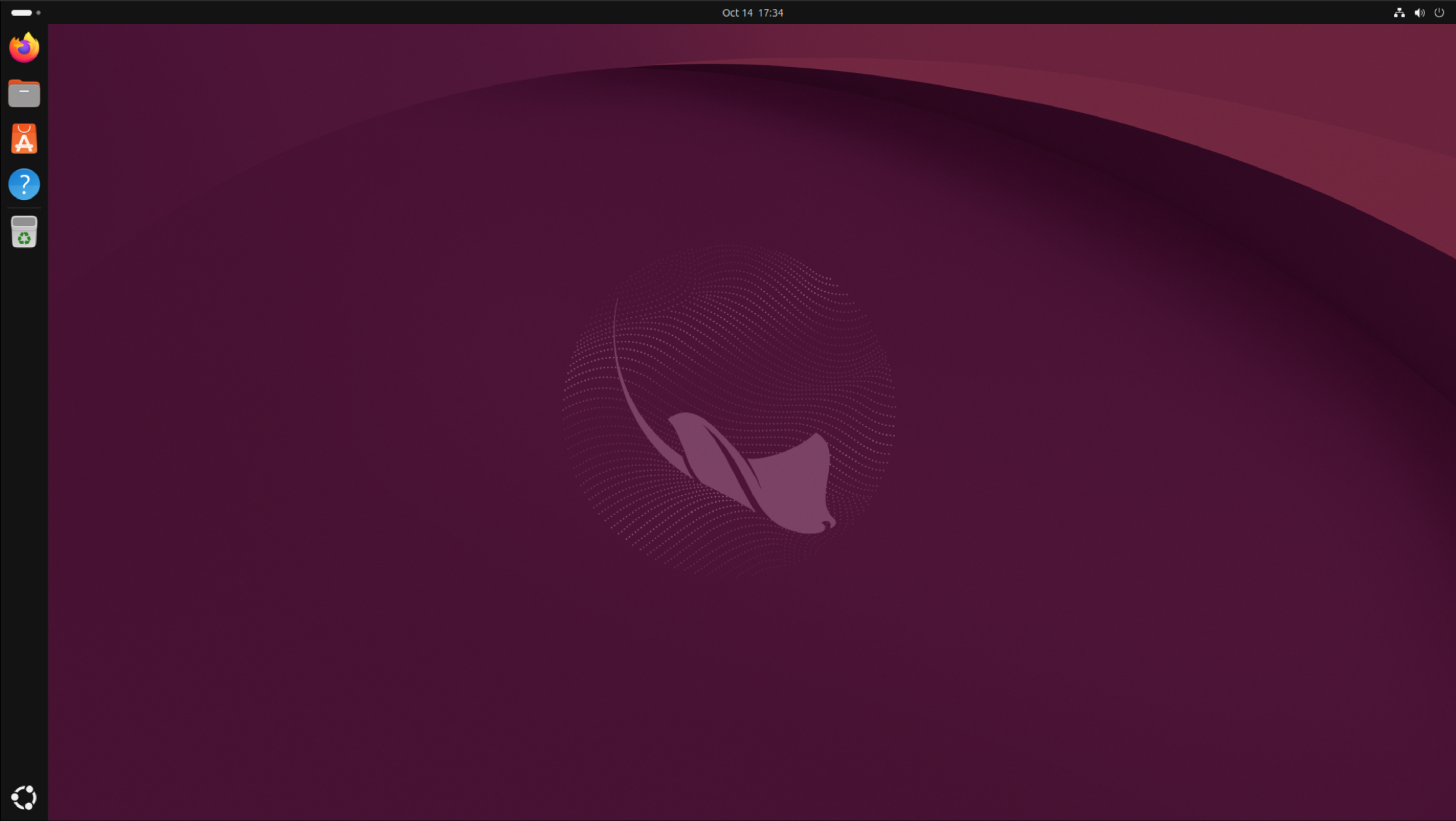
Canonical released Ubuntu 26.10, Stonking Stingray, on October 15. It previews privacy-conscious speech-to-text, introduces post-quantum package signing and continues moving core utilities to Rust implementations. These changes are interesting for a developer evaluating future Linux hosting or offline transcription.
The practical approach is to install the interim release in a disposable virtual machine, not on the production MiniMac. Ubuntu’s interim releases are useful for trying new components but have a shorter support horizon than long-term-support versions. A single test can show whether speech recognition stays local and how much CPU or memory it consumes.
What to do: read Canonical’s release announcement and, if the speech-to-text feature interests you, create a temporary VM. Keep the existing Wake Up production environment unchanged.