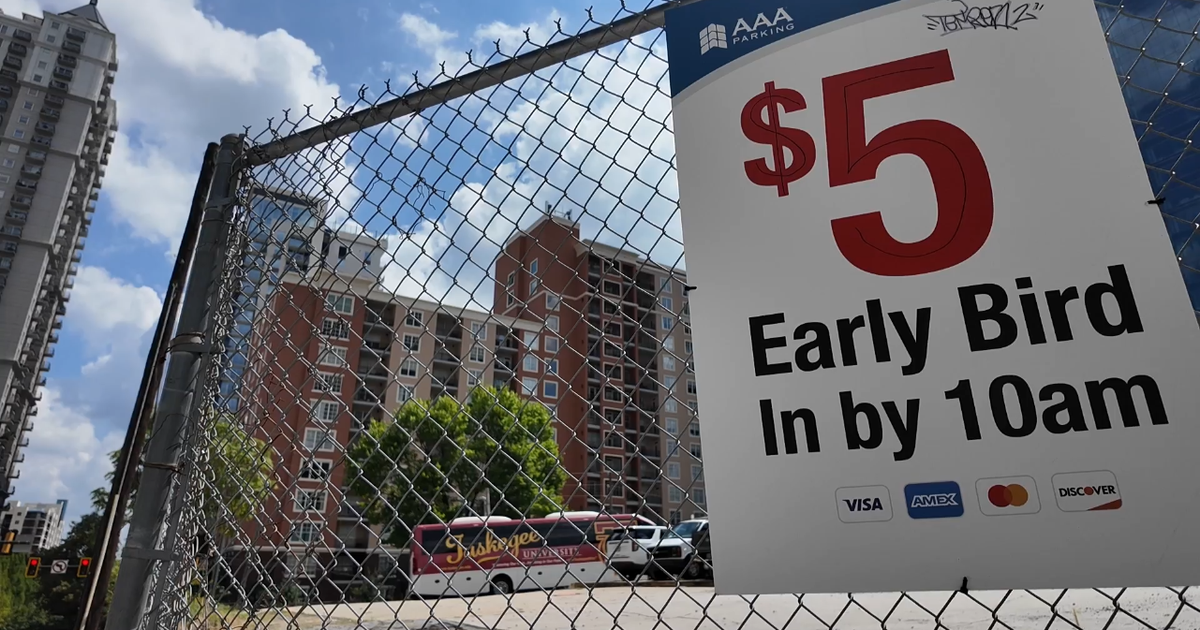
Today’s local parking story has the shape of a very small but very real business opportunity because regulation just created a deadline and a checklist at the same time.
The customer is not a giant parking company with its own legal and product teams. Start with small parking operators, property managers, restaurants, venues and commercial landlords that monetize private lots but do not want to interpret Ordinance 26-O-1370 themselves.
The problem is mostly administrative: clear pricing, accepted payment methods, customer-service information, operating hours, operator identity, permitted-space disclosures, a grace-period policy and a dispute path. Failing to implement the rules within 180 days can bring fines up to $1,000.
The product does not need to begin as ambitious SaaS. Sell a fixed-price compliance package: intake questionnaire, signage files sized for local print shops, a hosted mobile-friendly policy page, dispute form, auto-response workflow, record retention and a final checklist showing what was installed at each lot.
The first version could be built with boring tools in a weekend. A simple database stores lots, required disclosures and compliance status. A tiny web portal hosts each operator’s customer-service and dispute page. The valuable part is the opinionated workflow and templates, not novel code.
Pricing could start around $750–$1,500 per lot for implementation, then $25–$75 per month for the hosted dispute/contact portal and annual compliance refresh. A multi-lot operator gets volume pricing. The sales pitch is not “buy software”; it is “be ready before the city’s deadline without assigning an employee to study the ordinance.”
If it works, the expansion path is other municipal parking rules. Regulation varies by city, which is annoying for operators and therefore potentially valuable for a provider that turns local requirements into repeatable checklists and customer-facing tools.
First move: turn the reported ordinance requirements into a one-page operator checklist and mock up one compliant sign plus one mobile dispute page. Then show the package to three local private-lot operators and ask what part of compliance they would actually pay to outsource.