Read the NASA writeup as a requirements document. Shared world model. Risk versus science payoff. Reassignment without dropping the current task. Human managers still in the loop, just not on a joystick.
Those are features a terrestrial robot vendor can ship this year if they stop selling ‘autonomy’ and start selling an explainable task graph with override.
The ASTRA team will call the fleet successful only if it acts correctly from capabilities and priorities without direct instructions. Anyone selling robot software should steal that acceptance test.
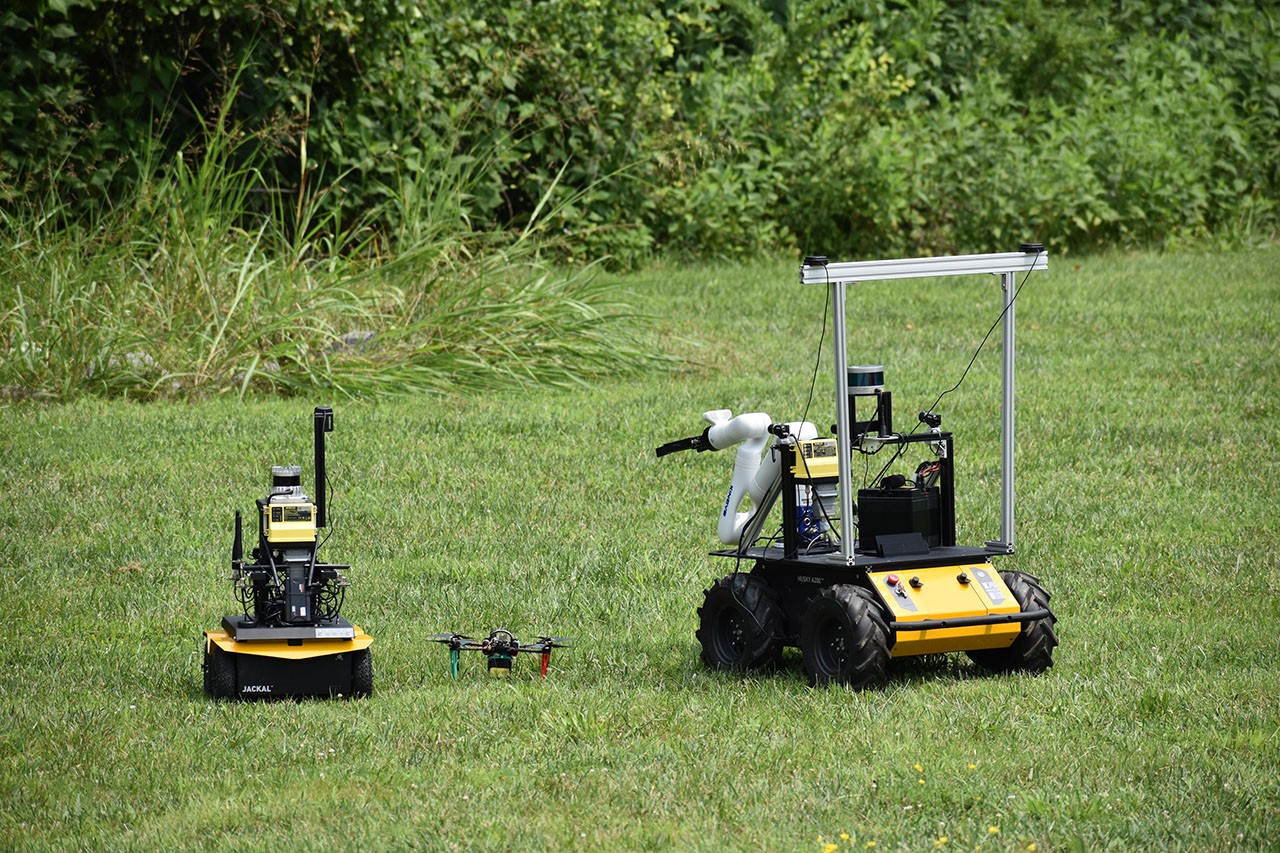
NASA’s ASTRA field test succeeded at the architectural level: a drone and two rovers shared goals, reassigned work, and kept the original job alive. NASA did not publish the metrics that would let an outsider trust that behavior.
The gap is the product. Teams that need multi-robot operations already want decision logs, priority policies, and a deterministic fallback — in warehouses and yards, not only on Mars.